
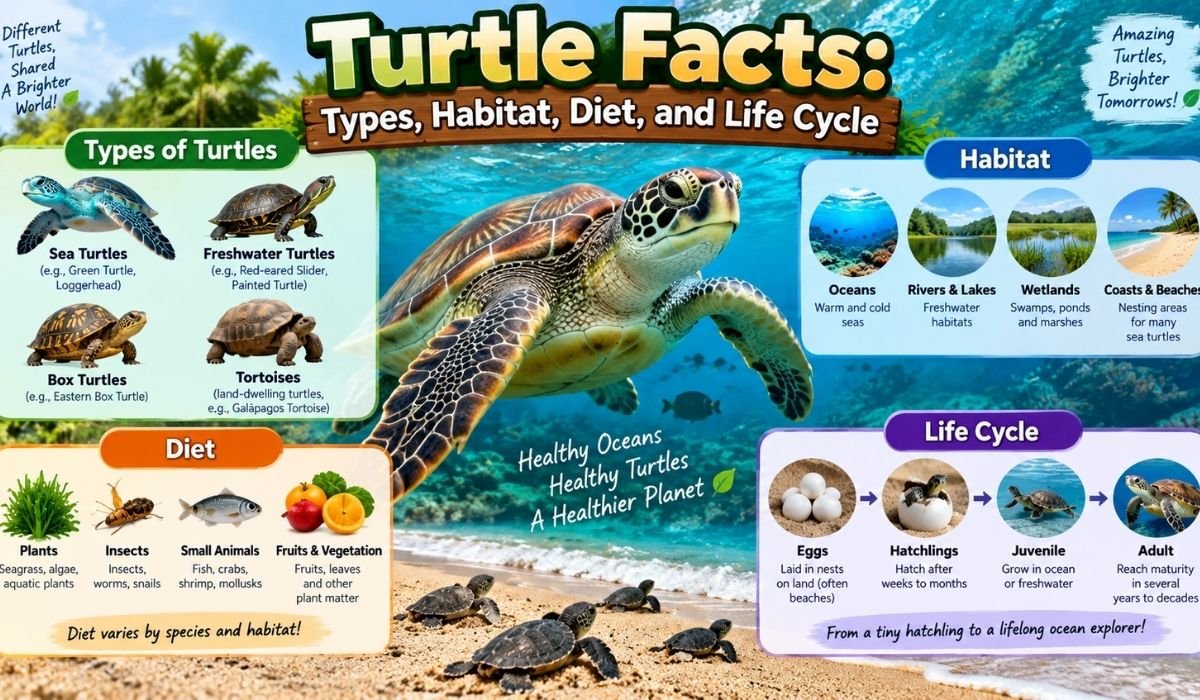
Turtles are among the oldest and most fascinating reptiles on Earth. Recognized by their protective shells, slow movements, and remarkable ability to survive in different environments, turtles can be found in oceans, freshwater habitats, forests, grasslands, and other ecosystems. Some species spend most of their lives in water, while others live almost entirely on land.
These turtle facts provide a closer look at the different types of turtles, where they live, what they eat, how they reproduce, and how they develop throughout their lives. Understanding these reptiles also shows why protecting their habitats is important for their survival.
What Are Turtles?
Turtles are reptiles belonging to the order Testudines. Their most recognizable feature is their shell, which protects important parts of their bodies. The upper part of the shell is called the carapace, while the lower part is known as the plastron.
One of the most important turtle facts is that the shell is connected to the turtle’s skeleton. The ribs and vertebrae are integrated with the shell, meaning a turtle cannot simply leave its shell like clothing or armor.
Turtles are ectothermic animals, so they rely on external sources of heat to regulate their body temperature. They may bask in sunlight when they need warmth and move into shade or water when they become too hot.
Types of Turtles
There are hundreds of living turtle species, and they have developed different physical features and behaviors according to their environments.
Land Turtles
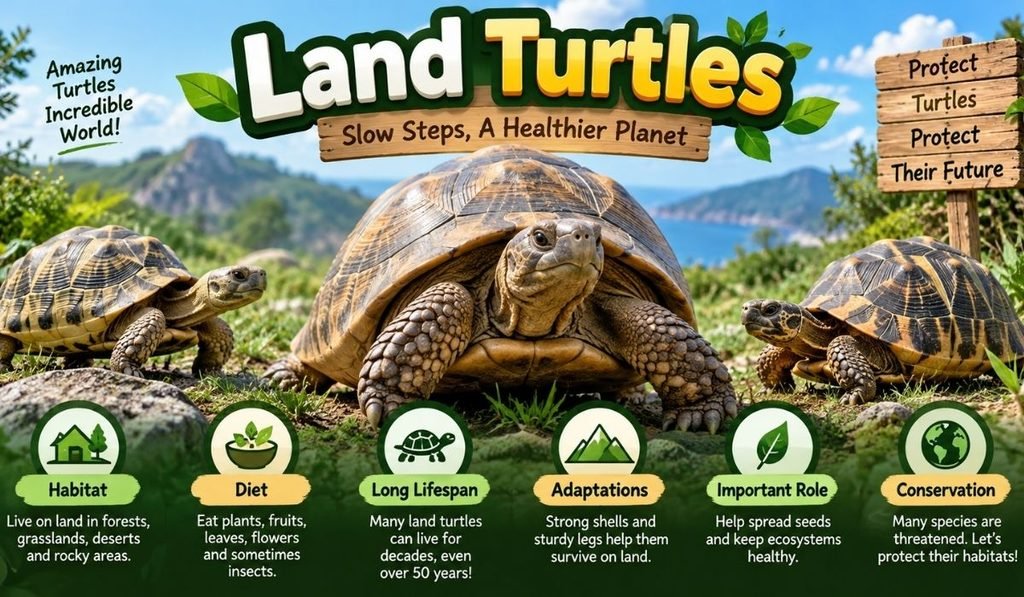
Land-dwelling turtles are commonly known as tortoises. They generally have strong legs, rounded shells, and feet adapted for walking rather than swimming. Many tortoises mainly eat plants such as grasses, leaves, flowers, and fruits.
They can be found in environments ranging from forests and grasslands to dry and desert regions. Their bodies are adapted to survive on land and, in some species, with limited access to water.
Freshwater Turtles
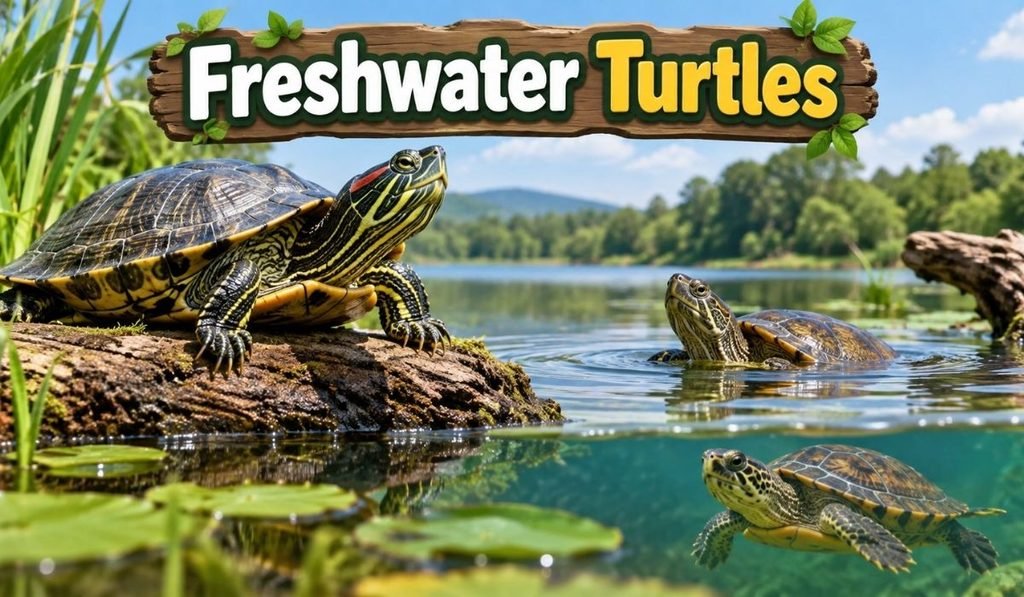
Freshwater turtles live in ponds, lakes, rivers, streams, marshes, and wetlands. Many species have webbed feet that help them swim and move through aquatic environments.
Their diets can vary considerably. Depending on the species, freshwater turtles may eat aquatic plants, insects, worms, snails, fish, and other small animals.
Read Related Post: Zebra Facts: Habitat, Diet, Behavior, and More
Sea Turtles
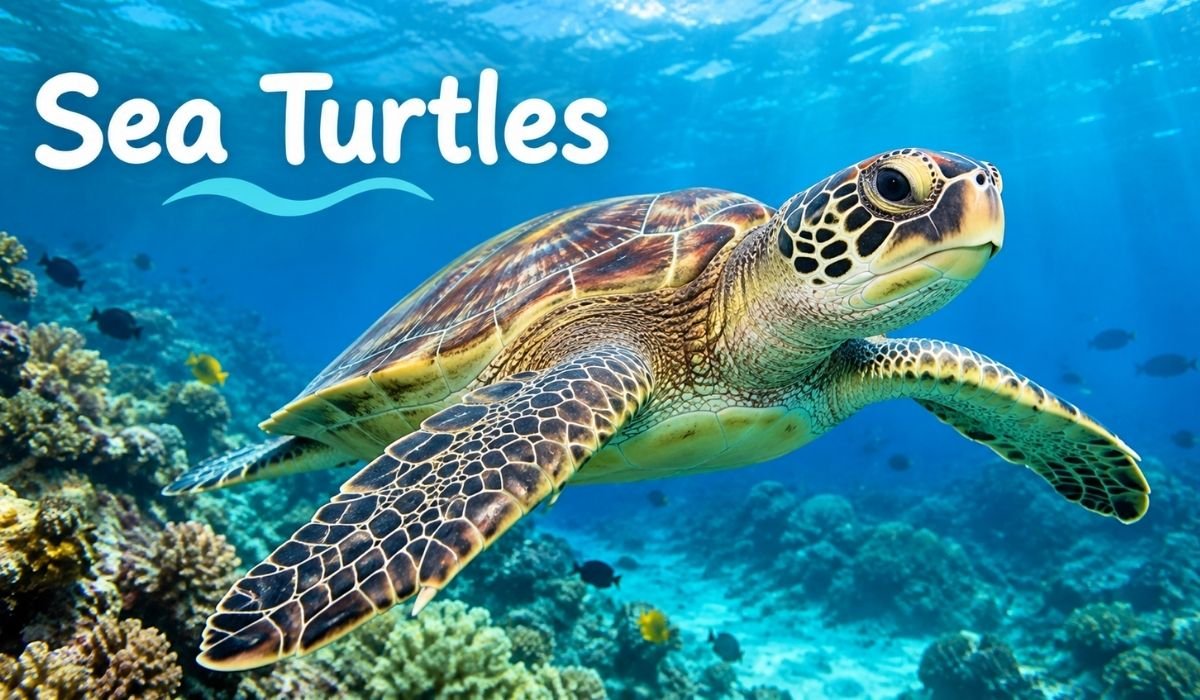
Sea turtles are highly adapted to marine environments. Their streamlined bodies and powerful flippers allow them to travel efficiently through the ocean.
Well-known sea turtle groups include green turtles, loggerheads, hawksbills, leatherbacks, and olive ridleys. Although they spend much of their lives in the sea, female sea turtles must return to land to lay their eggs.
Where Do Turtles Live?
Turtles live in a remarkable variety of habitats. They can be found on every continent except Antarctica. Their environments include tropical oceans, coastal beaches, freshwater wetlands, forests, grasslands, and dry regions.
Aquatic turtles depend on clean water, suitable food, shelter, and places where they can reproduce. Sea turtles depend on healthy marine ecosystems as well as suitable nesting beaches.
Land turtles need appropriate vegetation, shelter, temperatures, and access to water. Habitat conditions can influence their daily behavior. For example, turtles in cooler environments may spend more time basking, while turtles in hot regions may become more active during cooler periods.
These turtle facts demonstrate how closely each species is connected to its environment.
What Do Turtles Eat?
A turtle’s diet depends largely on its species, age, and habitat. Some turtles are herbivores, some are carnivores, and others are omnivores.
Herbivorous species may feed on grasses, leaves, flowers, fruits, and aquatic vegetation. Omnivorous turtles can consume both plant and animal foods, including insects, worms, snails, and small aquatic creatures.
Some predatory turtles eat fish and other small animals. Young turtles can also have different nutritional needs from adults because they are still growing.
Turtle Adaptations and Behavior
Turtles have several adaptations that help them survive. Their shells provide protection, while their strong jaws allow them to process different kinds of food.
Basking is another important behavior. Many turtles climb onto rocks, logs, or riverbanks to absorb heat from sunlight. This helps them regulate their body temperature.
When threatened, some turtle species can pull their heads and limbs partly or completely into their shells. However, not all turtles have the same ability. Sea turtles, for example, cannot fully retract their flippers into their shells.
Another fascinating example among turtle facts is the ability of some sea turtles to travel extremely long distances between feeding and nesting areas.
The Turtle Life Cycle
The turtle life cycle begins with eggs and continues through several stages: egg, hatchling, juvenile, and adult.
Eggs and Incubation
Female turtles lay their eggs in nests, usually in soil or sand. The exact nesting behavior varies between species. In many cases, the female digs a nest, deposits the eggs, covers them, and leaves.
The eggs may take weeks or months to hatch. Incubation time depends on the species and environmental conditions.
In some species, the temperature of the nest during incubation influences whether hatchlings develop as males or females. This makes environmental changes particularly important for turtle populations.
Hatchlings
After hatching, young turtles must begin surviving independently. Sea turtle hatchlings usually make their way toward the ocean, while freshwater and land turtle hatchlings move toward environments suitable for their species.
This is one of the most dangerous stages of their lives because young turtles are small and vulnerable to predators and environmental threats.
Juveniles
Juvenile turtles continue growing and developing until they reach adulthood. Their diets, behavior, and preferred habitats may change as they become larger.
Growth rates differ greatly between species and can be affected by food availability, temperature, and habitat conditions.
Adult Turtles
Adult turtles eventually reach reproductive maturity. The age at which this happens varies considerably among species. Some species mature relatively quickly, while others may require many years.
Many turtles can live for several decades, and some species have exceptionally long lifespans. Their long lives mean that maintaining healthy adult populations is important for successful reproduction.
How Do Turtles Reproduce?
Turtles reproduce sexually, with females laying eggs after mating. Breeding seasons and nesting behaviors vary among species and are often influenced by temperature, rainfall, food availability, and other environmental conditions.
A female may lay multiple groups of eggs during a breeding season. The number of eggs varies by species.
Most turtle species provide little or no parental care after the eggs are laid. Hatchlings therefore have to find food, shelter, and suitable habitat on their own.
Why Is the Turtle Shell Important?
The shell is one of the most impressive features found in these reptiles. It protects vital organs while also providing structural support.
The carapace forms the upper portion of the shell, while the plastron forms the lower portion. Shell shape differs between species because it is influenced by lifestyle and habitat.
Aquatic turtles often have smoother, more streamlined shells that help them move through water. Many land turtles have heavier and more rounded shells that provide protection while living on land.
These turtle facts show that the shell is much more than a simple protective covering—it is an important part of the turtle’s body.
Threats Facing Turtles
Turtles face several threats in the wild. Habitat destruction, pollution, illegal collection, introduced predators, climate change, and accidental capture in fishing equipment can all affect turtle populations.
Marine turtles can be affected by plastic pollution and changes to nesting beaches. Freshwater species may suffer when wetlands, rivers, and ponds become polluted or are altered by human activities.
Conservation efforts often focus on protecting habitats, reducing pollution, protecting nesting areas, monitoring populations, and improving survival during vulnerable stages of the life cycle.
Interesting Turtle Facts
Here are some quick turtle facts worth remembering:
- Turtles are reptiles and breathe air using lungs.
- Their shells are connected to their skeletons.
- Turtles can live in oceans, freshwater habitats, or on land.
- Some turtle species can live for several decades.
- Turtles are ectothermic and use environmental heat to regulate body temperature.
- Their diets can include plants, insects, worms, fish, and other foods.
- Female turtles generally lay their eggs on land.
- Most turtle hatchlings receive little or no parental care.
- Some species are affected by incubation temperature when determining hatchling sex.
- Sea turtles can travel great distances between feeding and nesting areas.
FAQ’s
How long do turtles live?
Lifespan varies by species. Many turtles can live for several decades, while some tortoises and other species can survive for much longer under suitable conditions.
Are turtles reptiles?
Yes. Turtles are reptiles. They breathe air with lungs and are ectothermic, meaning their body temperature is influenced by their surroundings.
What do turtles eat?
Their diets depend on the species. Some eat mainly plants, while others eat insects, worms, snails, fish, or a mixture of plant and animal foods.
Where do turtles live?
Turtles live in many environments, including oceans, ponds, rivers, wetlands, forests, grasslands, and dry regions.
Do all turtles lay eggs?
Yes. All living turtle species lay eggs. Even sea turtles, which spend most of their lives in the ocean, return to land to lay their eggs.
Can turtles leave their shells?
No. A turtle cannot leave its shell because the shell is permanently connected to its skeleton and forms an essential part of its body.
Conclusion
Turtles are remarkable reptiles with a wide range of adaptations that allow them to survive in different environments. Their protective shells, varied diets, unique behaviors, and fascinating life cycles make them an important part of many ecosystems.
From freshwater ponds to tropical oceans and dry land, turtles have adapted to habitats around the world. Learning turtle facts also helps us understand the environmental challenges these animals face. Protecting their habitats, reducing pollution, and supporting conservation efforts can help ensure that these ancient reptiles continue to survive for future generations.

Hi, I’m Amelia, an SEO and content specialist with several years of experience researching and creating informative content for online audiences. At Animal Attack Facts, I focus on animal behavior, animal attacks on humans, and interesting facts about land animals, marine animals, birds, reptiles, and insects. My goal is to provide clear, useful, and engaging information that helps readers better understand wildlife and stay informed about animal encounters.
1 thought on “Turtle Facts: Types, Habitat, Diet, and Life Cycle”