
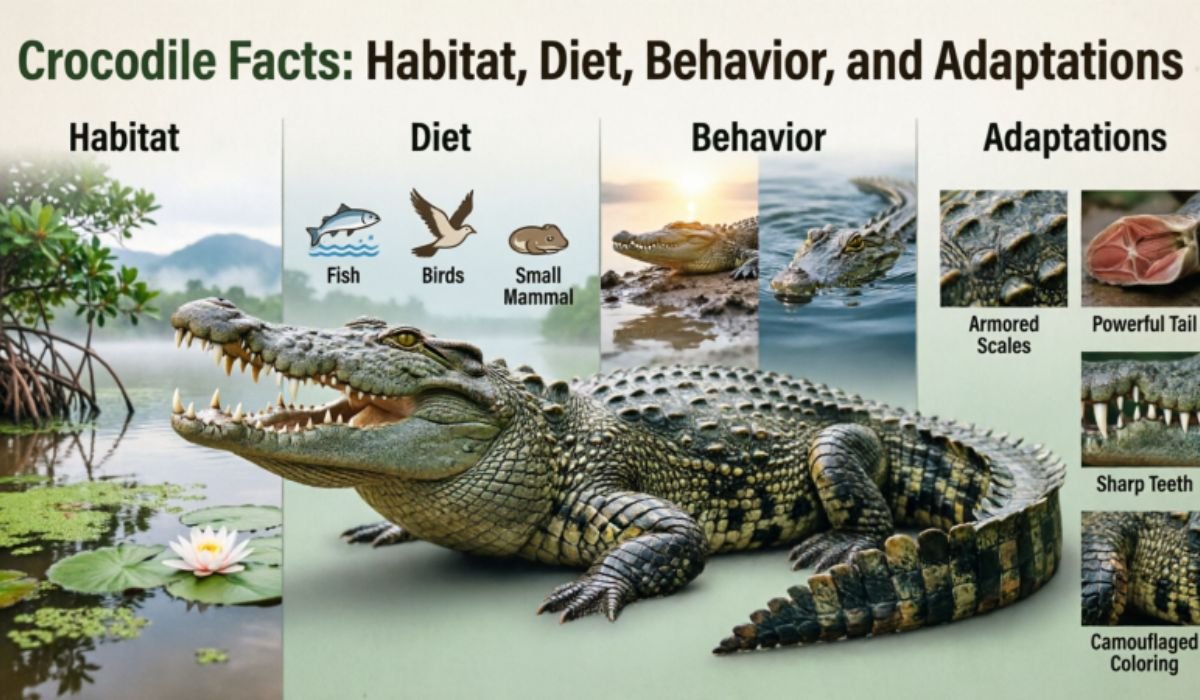
Crocodiles are among the most ancient and fascinating reptiles on Earth. Known for their powerful jaws, armored bodies, strong tails, and ability to survive in both water and on land, crocodiles have remained successful predators for millions of years. They are found mainly in tropical and subtropical regions where rivers, lakes, wetlands, and coastal areas provide suitable habitats.
Learning crocodile facts can help us understand how these reptiles live, what they eat, how they behave, and which adaptations allow them to survive in challenging environments. Although crocodiles may look slow and inactive when resting, they can become extremely powerful and fast when hunting or defending themselves.
What Is a Crocodile?
A crocodile is a large semi-aquatic reptile belonging to the order Crocodylia. Crocodiles are closely related to alligators, caimans, and gharials, but they have several features that help distinguish them.
Most crocodiles have long, muscular bodies covered with tough scales and bony plates called scutes. Their long tails help them move through water, while their strong legs allow them to walk on land. Their eyes, ears, and nostrils are positioned high on their heads, allowing them to remain mostly submerged while still seeing, hearing, and breathing.
Crocodiles are cold-blooded animals, meaning they rely on external sources of heat to regulate their body temperature. They often bask in the sun when they need to warm themselves and move into water or shade when they become too hot.
Where Do Crocodiles Live?
Crocodiles generally live in warm regions around the world. Their habitats include freshwater rivers, lakes, swamps, wetlands, marshes, and some coastal environments.
Different crocodile species are adapted to different environments. The saltwater crocodile, for example, can tolerate salty and brackish water and is found in parts of Southeast Asia, northern Australia, and surrounding regions. Other species are more closely associated with freshwater rivers and wetlands.
Crocodiles usually prefer habitats where water is available throughout much of the year. These environments provide food, protection, and places where crocodiles can rest or reproduce.
Habitat loss is one of the major challenges facing some crocodile populations. Wetland drainage, pollution, hunting, and human development can reduce the amount of suitable habitat available to these reptiles.
What Do Crocodiles Eat?
Crocodiles are carnivorous predators, meaning their diets consist mainly of other animals. What a crocodile eats depends greatly on its species, age, size, and habitat.
Young crocodiles may eat insects, small fish, frogs, crustaceans, and other small animals. As they grow larger, they can hunt bigger prey. Adult crocodiles may feed on fish, birds, turtles, mammals, and other reptiles.
Crocodiles are ambush predators. Instead of constantly chasing prey, they often wait quietly near the water’s edge or beneath the surface. Their ability to remain still and partially hidden makes it easier to approach animals without being noticed.
When prey comes within range, a crocodile can rapidly strike using its powerful jaws. Its teeth are designed for gripping rather than chewing. Crocodiles commonly tear or swallow pieces of food rather than chewing it in the way humans do.
Read Related Post: Eagle Facts: Habitat, Diet, Species, and Behavior
How Do Crocodiles Hunt?
One of the most interesting crocodile facts is how effectively these reptiles use patience and camouflage while hunting.
A crocodile may spend long periods waiting motionless in shallow water. Only its eyes and nostrils may be visible above the surface. This allows the animal to observe its surroundings while remaining difficult for potential prey to detect.
Crocodiles use their powerful tails to move through water. Their bodies are streamlined enough to allow sudden movements when they attack. Their jaws can close with tremendous force, helping them capture and hold prey.
Not every hunt is successful. Crocodiles may spend considerable time waiting for an appropriate opportunity, making patience an important part of their hunting strategy.
Crocodile Behavior
Crocodile behavior can vary depending on species, age, season, and environmental conditions. They often spend much of their time resting, basking, or remaining still in water.
Despite their reputation as solitary predators, crocodiles can sometimes gather in groups when environmental conditions provide abundant food or suitable basking areas. Younger crocodiles may also remain near one another.
Crocodiles communicate using sounds, body movements, and chemical signals. Young crocodiles can make vocalizations that help communicate with their mothers or other individuals. Adults may also produce sounds during territorial, reproductive, or defensive interactions.
Crocodiles can be territorial, particularly during breeding periods. Larger individuals may defend areas containing valuable food or nesting resources.
How Do Crocodiles Adapt to Their Environment?
Crocodiles have many adaptations that help them survive in aquatic and terrestrial environments.
Powerful Jaws and Teeth
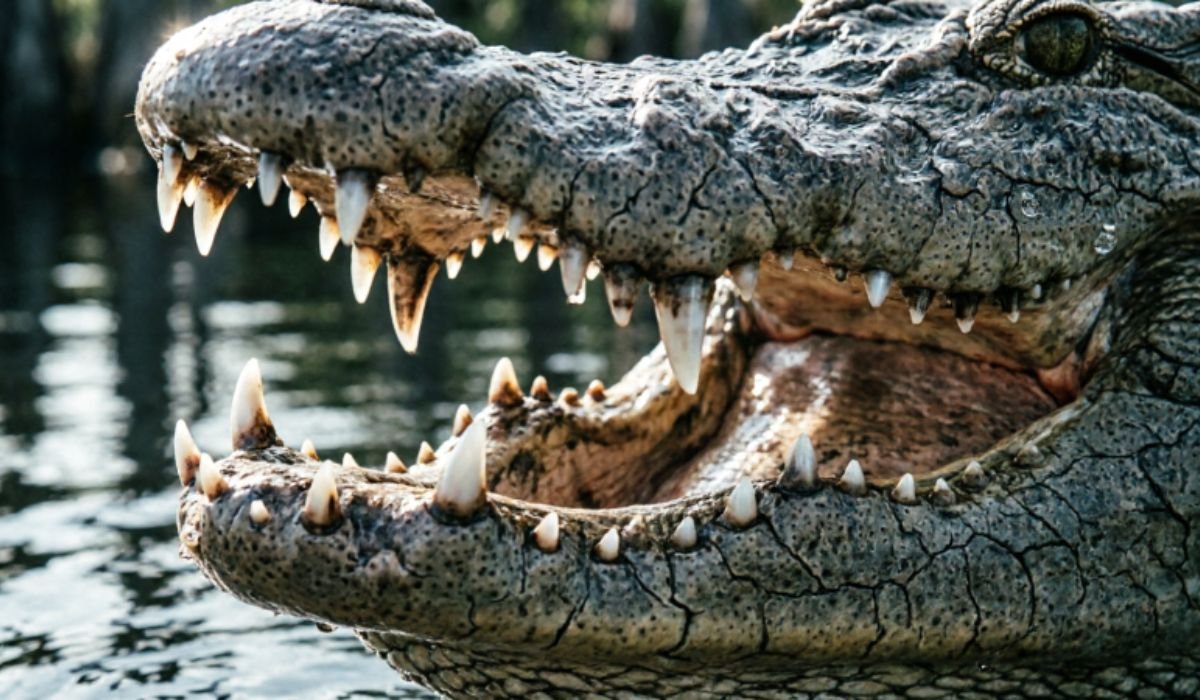
Their strong jaws are among their most important hunting adaptations. Crocodiles have numerous sharp teeth that help them grip prey securely. Teeth can be replaced throughout their lives when old or damaged ones are lost.
Strong Tail
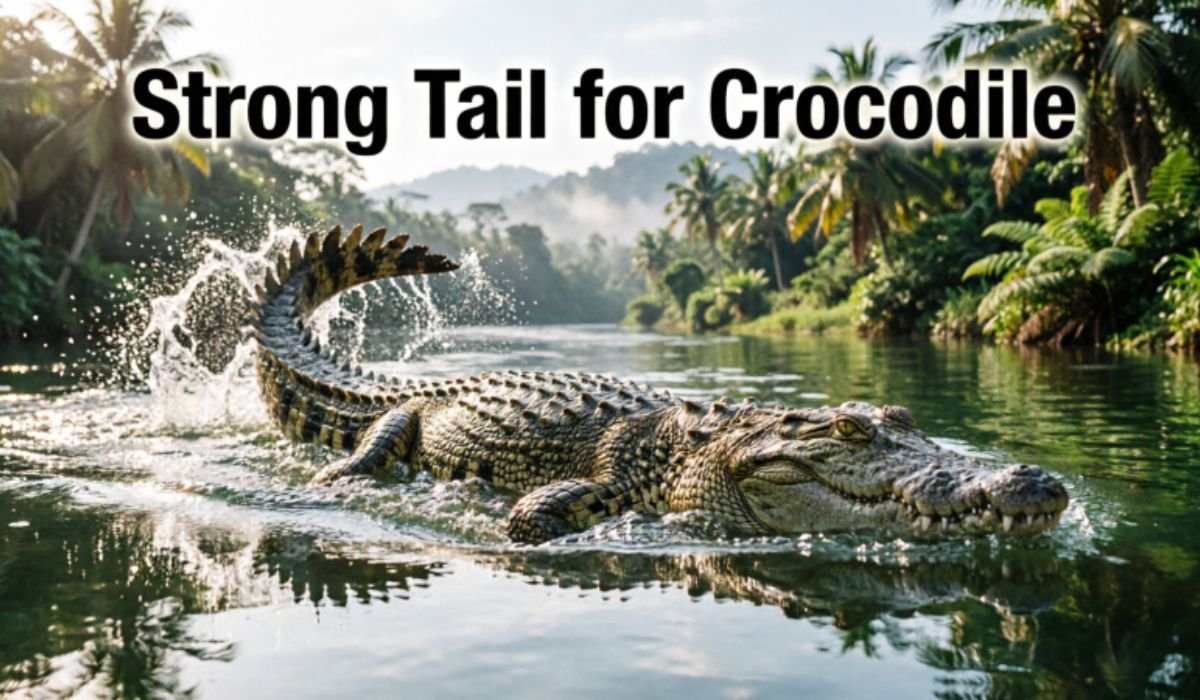
The crocodile’s tail is heavily muscled and plays an important role in swimming. It also helps the animal maintain balance and can contribute to powerful movements on land.
Armored Skin
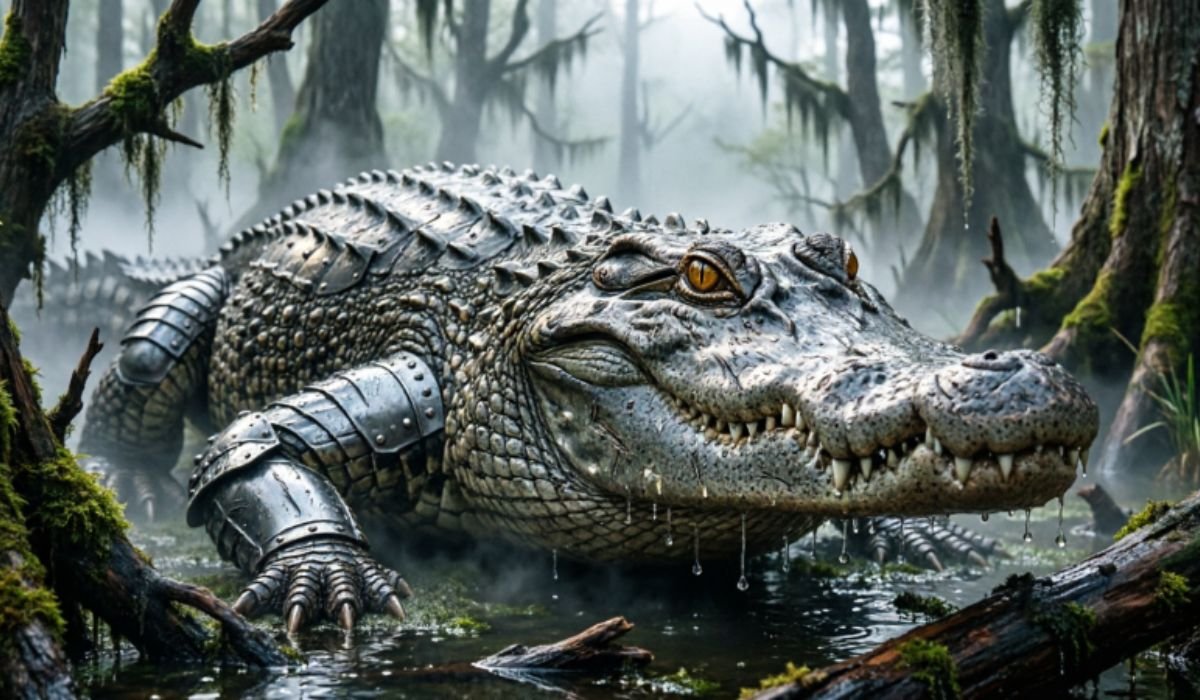
Crocodile skin is covered with scales and reinforced areas called scutes. These provide protection and help reduce injuries from environmental hazards and interactions with other animals.
Eyes and Nostrils
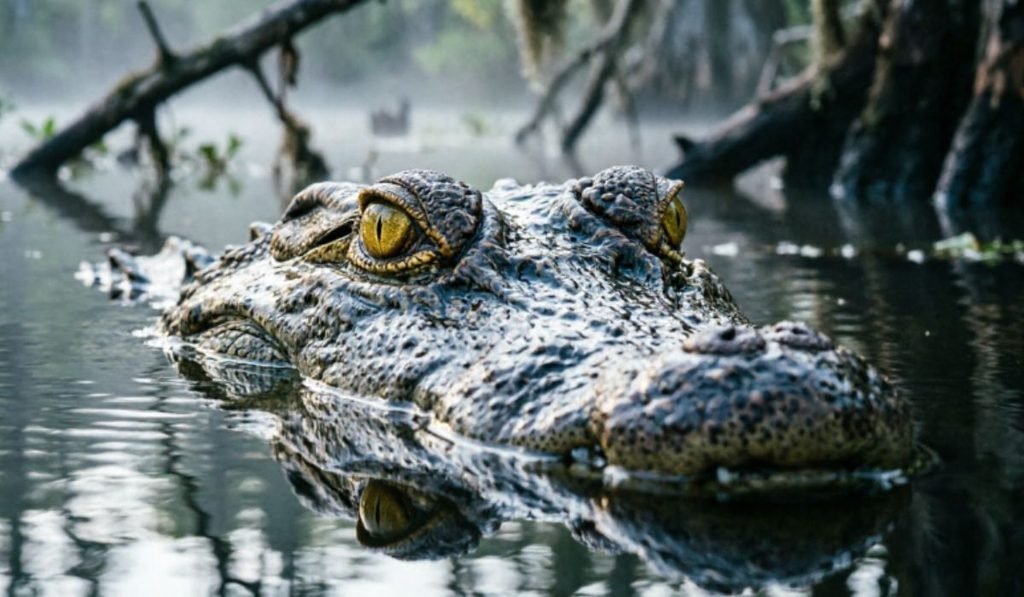
The location of their eyes and nostrils near the top of their heads allows crocodiles to stay mostly underwater while maintaining access to air and visibility above the surface.
Efficient Breathing
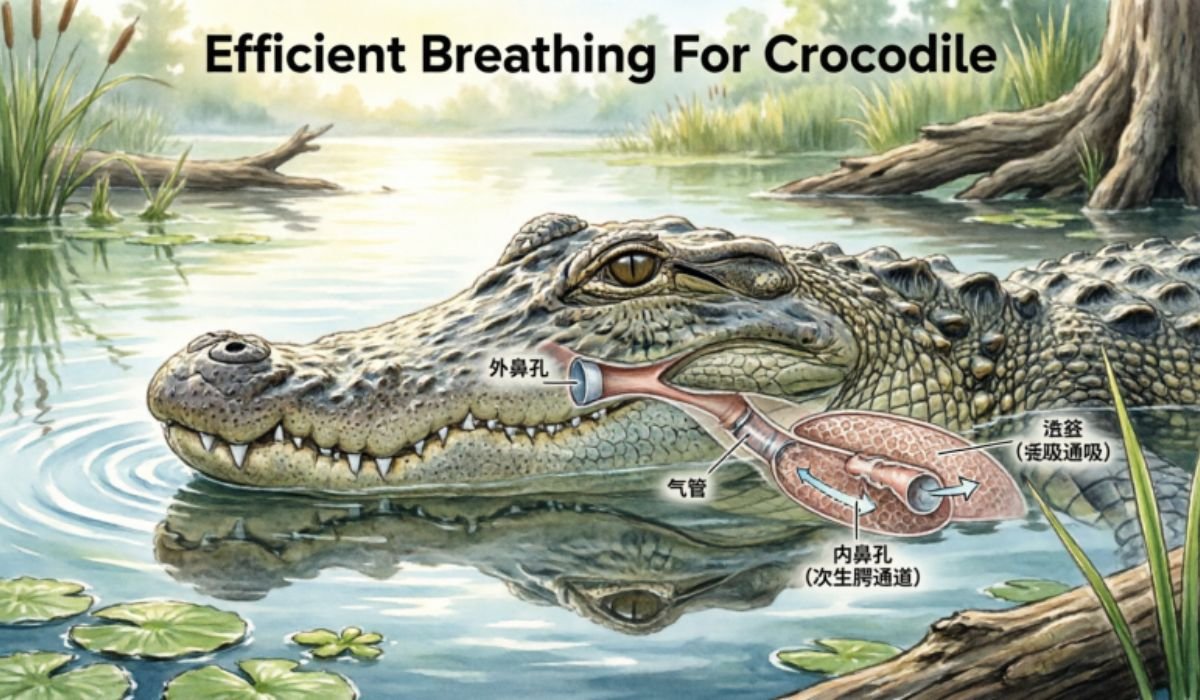
Crocodiles have specialized respiratory anatomy that allows them to breathe efficiently. They can remain underwater for significant periods, although the exact duration depends on factors such as activity, temperature, and the individual animal.
Temperature Regulation
Because crocodiles are ectothermic, basking is an important behavior. Sunlight warms their bodies and can help them become more active. When temperatures rise too much, they may retreat into water or shade.
Crocodile Reproduction and Babies
Crocodiles reproduce by laying eggs. Females generally build nests using soil, vegetation, sand, or other available materials. The exact nesting method varies among species.
The female usually selects a location that provides suitable temperature and protection for the eggs. In many species, the temperature of the developing eggs influences whether hatchlings develop as male or female.
After hatching, young crocodiles are small compared with adults and are vulnerable to many predators. Their mother may remain nearby and provide protection during the early stages of life.
Young crocodiles grow gradually, and their diet changes as they become larger. Reaching adulthood can take several years, depending on the species and environmental conditions.
How Long Do Crocodiles Live?
Crocodiles can have long lifespans compared with many other reptiles. Some individuals may live for several decades, although lifespan varies among species and individuals.
Their relatively slow growth and long lives are part of what makes crocodiles successful in stable environments. However, threats such as habitat destruction, illegal hunting, pollution, and conflicts with humans can affect their survival.
Are Crocodiles Fast?
Crocodiles are usually associated with swimming, but they can also move surprisingly quickly over short distances on land.
Their powerful legs allow them to make sudden bursts of movement when approaching prey or escaping danger. However, they are not built for sustained running over long distances.
In water, their muscular tails give them much greater propulsion and control. This makes aquatic environments especially important to their hunting and survival strategies.
Crocodiles and Humans
Crocodiles have fascinated humans for thousands of years and appear in the mythology, artwork, and traditions of various cultures.
At the same time, some crocodile species can pose a serious danger to people when humans and crocodiles share the same waterways. Crocodiles are wild animals with powerful natural defenses and hunting abilities, so people should maintain a safe distance from them.
Conservation programs have helped protect several crocodile species and their habitats. In some areas, regulated management, habitat protection, education, and breeding programs have contributed to population recovery.
Interesting Crocodile Facts
Here are some additional facts about these remarkable reptiles:
- Crocodiles are reptiles and belong to the order Crocodylia.
- They are ectothermic, so their body temperature is influenced by their environment.
- Crocodiles have powerful tails that help them swim.
- Their skin contains tough scales and protective bony structures.
- They can replace teeth throughout their lives.
- Many crocodiles spend considerable time in or near water.
- Crocodiles are carnivores and eat a wide range of animals.
- They are skilled ambush predators that often rely on patience and camouflage.
- Crocodile eggs are laid in nests built by females.
- In many crocodile species, nesting temperature influences the sex of hatchlings.
- Some crocodile species can tolerate brackish or salty water.
- Young crocodiles are much smaller and more vulnerable than adults.
- Crocodiles can live for many decades under suitable conditions.
- Their eyes and nostrils are positioned high on their heads, helping them remain concealed in water.
- Crocodiles have survived for millions of years and are often described as living representatives of an ancient reptile lineage.
Why Are Crocodiles Important?
Crocodiles play an important role in aquatic ecosystems. As predators, they help influence populations of fish, reptiles, birds, and mammals. Their presence can contribute to the balance of wetland and river ecosystems.
Protecting crocodiles also means protecting the habitats they depend on. Healthy rivers, wetlands, lakes, and coastal environments support many other species as well.
Conservation is especially important for crocodile populations affected by habitat destruction and illegal hunting. Protecting breeding areas and maintaining healthy waterways can help ensure these ancient reptiles continue to survive.
Final Thoughts
Crocodiles are highly adapted reptiles with powerful bodies, strong jaws, excellent swimming abilities, and remarkable survival strategies. From their ambush hunting techniques to their armored skin and temperature-regulating behaviors, almost every part of a crocodile’s body helps it survive in its environment.
These crocodile facts show why crocodiles remain some of the most fascinating reptiles on the planet. Understanding their habitat, diet, behavior, reproduction, and adaptations also highlights the importance of protecting the ecosystems where these ancient animals live.

Hi, I’m Amelia, an SEO and content specialist with several years of experience researching and creating informative content for online audiences. At Animal Attack Facts, I focus on animal behavior, animal attacks on humans, and interesting facts about land animals, marine animals, birds, reptiles, and insects. My goal is to provide clear, useful, and engaging information that helps readers better understand wildlife and stay informed about animal encounters.
1 thought on “Crocodile Facts: Habitat, Diet, Behavior, and Adaptations”