
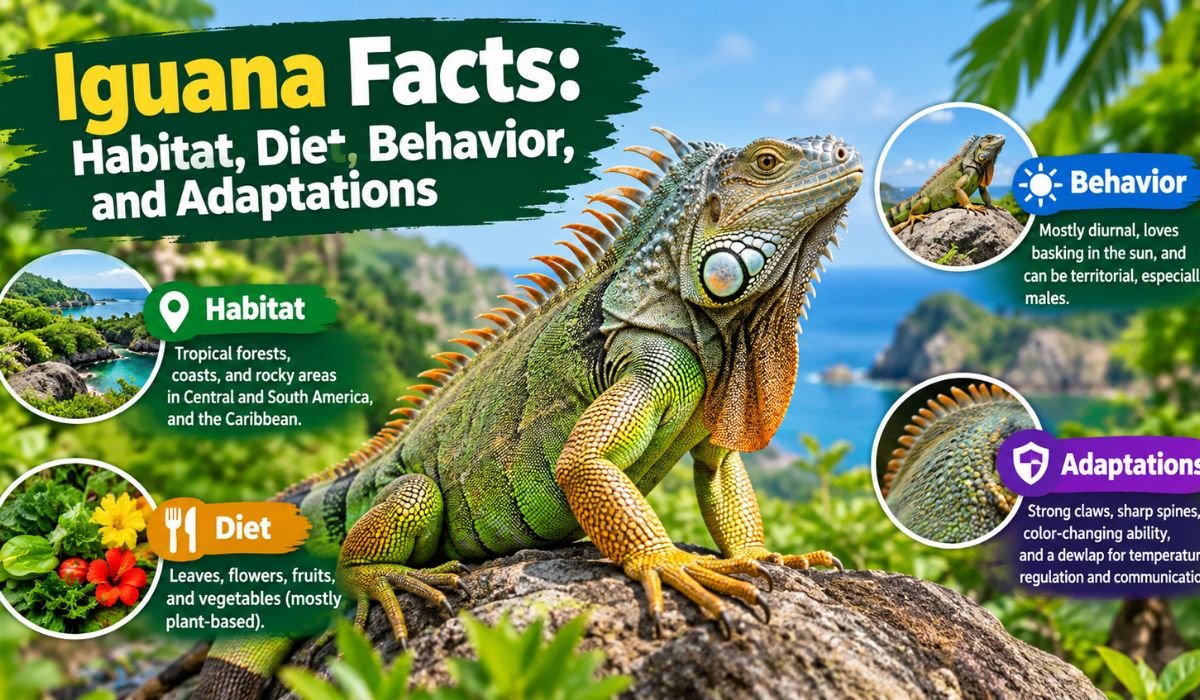
Iguanas are fascinating reptiles known for their long tails, strong claws, spiny backs and ability to thrive in warm environments. These reptiles belong to the family Iguanidae and include several species found mainly in tropical regions of the Americas and nearby islands. Some iguanas spend much of their time in trees, while others are adapted to rocky or coastal environments.
In this guide to iguana facts, you will learn about where iguanas live, what they eat, how they behave, and the physical adaptations that help them survive. Their unique body structures and survival strategies make iguanas some of the most interesting reptiles in the world.
What Is an Iguana?
Iguanas are large lizards belonging to the family Iguanidae. They are generally recognized by their elongated bodies, long tails, powerful limbs, and rows of spines running along their backs. Depending on the species, an adult iguana can range from relatively small to more than 1.5 meters (5 feet) in total length, with much of that length coming from the tail.
One of the most interesting iguana facts is that the name “iguana” refers to several related species rather than just one type of reptile. The green iguana is among the best-known species, but other species have adapted to very different environments.
Iguanas are ectothermic, meaning they rely on external sources of heat to regulate their body temperature. This is why they are commonly seen basking in sunlight.
Where Do Iguanas Live?
Iguanas are primarily native to tropical and subtropical regions. Their natural range includes parts of Central America, South America, the Caribbean, and nearby islands.
Tropical Forests and Woodlands
Green iguanas are commonly associated with tropical forests and areas containing plenty of vegetation. They are excellent climbers and often spend time in trees, where they can find food and escape some predators.
Rocky and Coastal Habitats
Not all iguanas live in forests. Some species are specially adapted to rocky landscapes and coastal environments. Marine iguanas, for example, are famous for living around the Galápagos Islands and spending time in the ocean searching for algae.
These different habitats demonstrate how iguana facts can vary significantly between species.
Iguana Diet and Feeding Habits

Most iguanas are primarily herbivorous, although their exact diets depend on the species, habitat, and available food.
Green iguanas commonly eat leaves, flowers, fruits, and other plant material. Their specialized teeth help them tear vegetation into manageable pieces.
Read Related Post: Hawk Facts: Habitat, Diet, Hunting, and Behavior
What Do Iguanas Eat?
Common foods in an iguana’s natural diet include:
- Leaves
- Flowers
- Fruits
- Young shoots
- Vegetation
- Algae in species adapted to marine environments
Another important point among iguana facts is that their diets are closely connected to their environments. A species living in a forest may feed on leaves and fruit, while a marine iguana can obtain much of its food from algae growing underwater.
Young iguanas may sometimes consume animal material, insects, or other foods, but many adult iguanas rely heavily on plants.
Iguana Behavior
Iguanas display a wide range of behaviors related to feeding, communication, territory, reproduction, and avoiding predators. Although they may appear slow and relaxed while basking, they can move quickly when threatened.
Basking in the Sun
Because iguanas are ectothermic, basking is an important part of their daily behavior. Sunlight helps them warm their bodies and become more active.
You may see an iguana sitting on a branch, rock, or other exposed surface early in the day. Once its body temperature rises, it can become more active and search for food.
Climbing and Swimming
Many iguanas are strong climbers. Green iguanas can use their sharp claws and muscular limbs to move through trees and vegetation.
Swimming is another impressive ability. Iguanas can use their powerful tails to propel themselves through water. Some species are particularly well adapted to aquatic environments.
Among the most surprising iguana facts is that certain iguanas can remain underwater while searching for food.
Physical Adaptations of Iguanas
Iguanas have several physical characteristics that help them survive in challenging environments.
Strong Tails
An iguana’s tail serves several purposes. It helps with balance while climbing and moving across uneven surfaces. The tail can also be used as a defensive weapon when the reptile feels threatened.
Sharp Claws
Their strong claws help iguanas climb trees, grip surfaces, dig, and move through their environments. For tree-dwelling species, claws are particularly important for maintaining a secure grip on branches.
Spiny Back
Many iguanas have a row of spines along their backs. These structures may help with defense and can make the animal appear larger when it is threatened.
Loose Skin and Body Displays
Some iguanas have a flap of skin beneath the throat called a dewlap. The dewlap can be used in communication and visual displays. Iguanas may extend it during territorial or courtship behaviors.
These features are among the most recognizable iguana facts and show how their bodies are adapted for survival.
How Do Iguanas Protect Themselves?
Iguanas face threats from birds of prey, mammals, snakes, and other predators. They use several strategies to avoid danger.
When threatened, an iguana may try to escape by running, climbing, or entering water. Some species can swim surprisingly well. If escape is impossible, an iguana may use its claws and tail to defend itself.
Camouflage can also provide protection. Depending on the species, body coloration can help an iguana blend into vegetation, rocks, or its surroundings.
Iguana Reproduction and Life Cycle
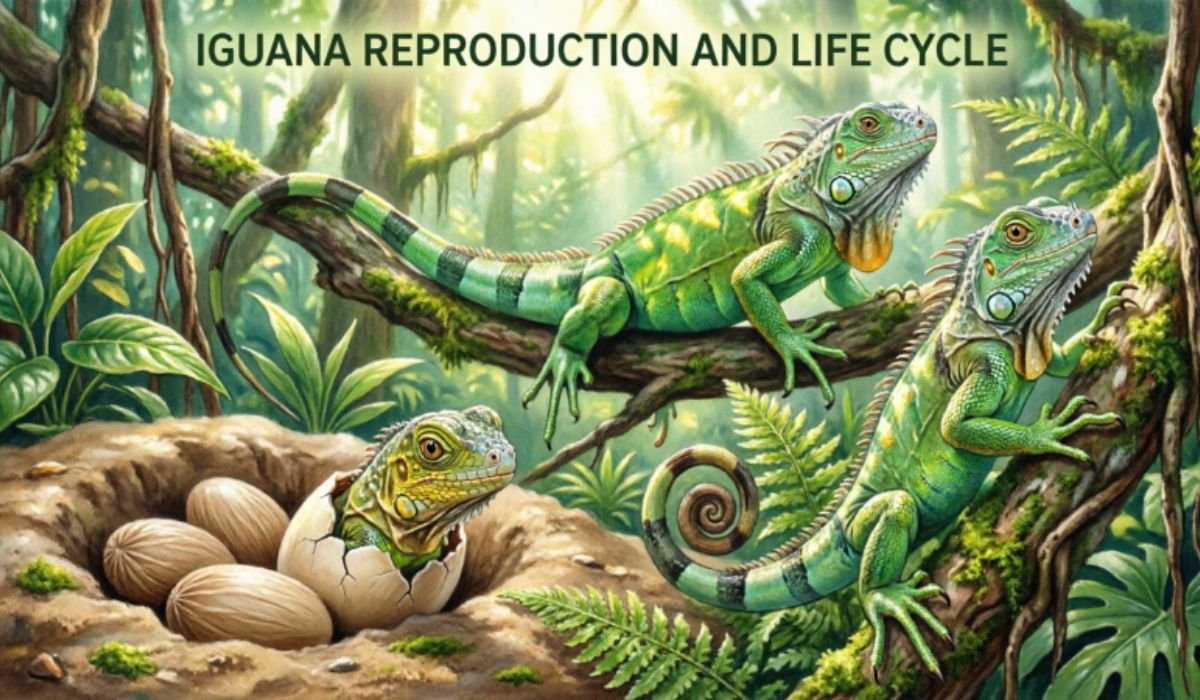
Iguanas reproduce by laying eggs. During the breeding season, males and females may display different behaviors related to courtship and territory.
After mating, females search for suitable places to lay their eggs. Many species dig nests in soil or sandy ground. The eggs are left to develop without parental care in most species.
Once the young hatch, they must survive independently. Baby iguanas are vulnerable to predators, making hiding, climbing, and quick movement important survival skills.
The reproductive process is another useful area of iguana facts because different iguana species have adapted their nesting behavior to their particular environments.
Green Iguana vs. Marine Iguana
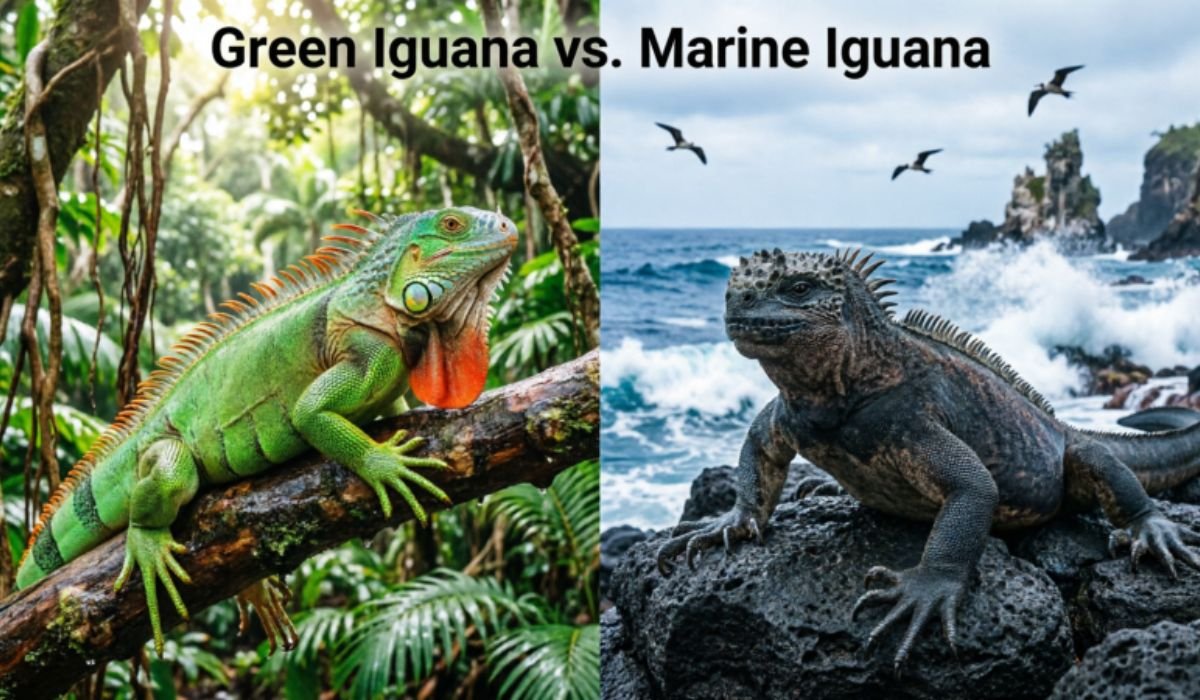
The green iguana and marine iguana are among the best-known members of the iguana family, but they have very different lifestyles.
Green iguanas are primarily land-dwelling and are strongly associated with trees and tropical vegetation. They are herbivores that commonly feed on leaves, flowers, and fruit.
Marine iguanas, on the other hand, are uniquely adapted to life around the sea. They forage underwater for algae and have physical and behavioral traits that help them cope with their coastal environment.
These differences demonstrate why iguana facts can be especially interesting when comparing species.
Are Iguanas Good Climbers?
Yes. Many iguanas are excellent climbers. Green iguanas are particularly well known for climbing trees and spending significant amounts of time above the ground.
Their muscular legs, sharp claws, long tails, and flexible bodies all contribute to their climbing ability. Trees can provide access to food, sunlight, and safer resting locations.
Climbing can also help iguanas avoid certain ground-based predators. However, young iguanas may face threats from predators both on the ground and in trees.
Interesting Iguana Facts
Here are some additional iguana facts that highlight how unusual these reptiles are:
- Iguanas are reptiles and are ectothermic.
- Many iguanas are primarily herbivorous.
- Green iguanas are skilled tree climbers.
- Iguanas use their tails for balance and defense.
- Many species have rows of spines along their backs.
- Some iguanas are strong swimmers.
- Marine iguanas feed on algae.
- Iguanas use body movements and visual displays to communicate.
- Most iguanas lay eggs rather than giving birth to live young.
- Their coloration can vary depending on species, age, sex, and environment.
- Iguanas rely on sunlight to help regulate their body temperature.
- Some species are adapted to islands and highly specialized habitats.
FAQ’s
Are iguanas dangerous?
Iguanas are generally not aggressive toward people when left alone. However, like other wild animals, they can defend themselves if they feel threatened. Their claws, teeth, and strong tails can cause injuries, so wild iguanas should be observed from a safe distance.
What do iguanas eat?
Most iguanas are mainly herbivorous and eat leaves, flowers, fruits, and other vegetation. Marine iguanas have a specialized diet that includes algae.
Where do iguanas live?
Iguanas are mainly found in tropical and subtropical parts of Central America, South America, the Caribbean, and nearby islands. Different species occupy forests, rocky areas, coastal habitats, and other environments.
Can iguanas swim?
Yes. Many iguanas can swim. Their powerful tails provide propulsion in water, while their bodies and limbs help them maneuver. Marine iguanas are especially well adapted to swimming and underwater foraging.
How long can an iguana get?
Size varies considerably by species. Green iguanas can reach around 1.5 meters (5 feet) in total length, including the tail, while other species are considerably smaller.
Why do iguanas bask in the sun?
Iguanas bask because they are ectothermic reptiles. External heat from sunlight helps raise their body temperature, allowing them to become more active and carry out normal bodily functions.
Conclusion
Iguanas are remarkable reptiles with specialized features that help them survive in diverse environments. From their powerful tails and sharp claws to their ability to climb, swim, and regulate body temperature through basking, these animals have developed impressive survival strategies.
The most fascinating iguana facts show that these reptiles are much more than slow-moving lizards. Different species have adapted to forests, rocky landscapes, and even marine environments. Their varied diets, behaviors, physical adaptations, and reproductive strategies make them an important and interesting part of the ecosystems where they live.

Hi, I’m Amelia, an SEO and content specialist with several years of experience researching and creating informative content for online audiences. At Animal Attack Facts, I focus on animal behavior, animal attacks on humans, and interesting facts about land animals, marine animals, birds, reptiles, and insects. My goal is to provide clear, useful, and engaging information that helps readers better understand wildlife and stay informed about animal encounters.
1 thought on “Iguana Facts: Habitat, Diet, Behavior, and Adaptations”